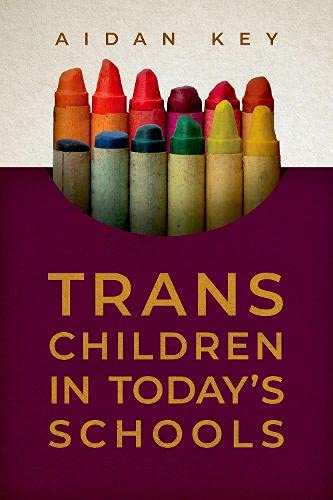
Trans Children in Today’s Schools
With an ever-increasing presence of transgender students, schools have nowhere to turn for guidance...
Read OnMany children will express their gender in expansive ways as early as pre-school or kindergarten. For some this may be exploratory and for others it may be more consistent. It may also be difficult to know if these gender differences are part of their gender expression or an indicator of a different gender identification.
Some gender diverse children may be open and comfortable in expressing their interests and/or identity. Many, however, are aware that their expression does not fit within the expected gender norms and are likely already experiencing negative repercussions at school and/or at home.
It can be confusing for educators. Is the child transgender or not?
The good news is that we do not need to make that determination. The question of whether a child is in an exploratory phase related to gender expression or an innate gender identity difference is less relevant than the importance of providing a supportive school environment for these children. A supportive environment is one that helps a child feel valued and included.
Supporting a child’s gender exploration does not make them transgender but having a supportive environment for exploration and discovery matters, whether their gender differences are long lasting or not. Efforts toward support and inclusion provide more optimal results for a child’s social and emotional well-being.
— Laura, parent of a Montessori elementary school student
Increasingly, schools are taking a proactive approach to foster an environment inclusive of all children. Learning how to confidently address gender identity and expression within the elementary school classroom is crucial to help gender diverse children thrive. Gender Diversity provides direct grade- and age-appropriate training to engage children in conversation and address questions. Classroom instruction, coupled with training for school staff and parents, is an effective pathway to create optimal learning environments.
Topics addressed include:
With an ever-increasing presence of transgender students, schools have nowhere to turn for guidance...
Read On
The plan for a student with a gender supportive caregiver in their life may look quite different than for...
Read On
A guide for parents. This list of questions can serve as a starting place for a parent/administrator...
Read OnWould you like more information? Contact us to find the support and information you need. Please explore our resources including books, videos, toolkits, webinars and more.